
Use this free rabbit breeding calculator to estimate important dates after mating your doe. Enter the breeding date and select the closest rabbit breed type to calculate an estimated pregnancy-check window, nest-box window, kindling date, kit eye-opening date, weaning date, and optional breeding-cycle dates.
Most domestic rabbits have a gestation period of approximately 28–33 days, with many does kindling around Day 31. These results are planning estimates only because the actual delivery date can vary between individual rabbits.
This calculator creates an estimated rabbit pregnancy schedule from the date of mating. Depending on the selected rabbit type, it estimates the following planning milestones. These results are for planning and record keeping only and do not confirm pregnancy or guarantee the date of birth.
The calculator treats the mating date as Day 0 and adds the estimated gestation period for the selected rabbit type. Most domestic rabbits have a gestation period of approximately 28–33 days, and many does kindle around Day 31.
For example, if a doe is bred on June 1 and the selected gestation period is 31 days, the estimated kindling date is July 2. The rabbit due-date calculation is based on adding the selected gestation period to the mating date.
The actual delivery date can vary between rabbits. Use this calculator as a general breeding-calendar tool for planning and record keeping, not as a guaranteed delivery-date calculator.
Rabbit gestation periods can vary between breeds and individual does. The ranges below are approximate planning estimates, not fixed guarantees for every rabbit.
These ranges are intended for planning only. Gestation length can vary between individual rabbits, and the actual kindling date may be earlier or later than the estimate.
The calculator estimates dates from the entered mating date and selected rabbit type. Most domestic rabbits kindle around 31 days after mating, but the actual date may be earlier or later.
The estimate can vary because of:
Use the result as a breeding-calendar estimate rather than a guaranteed delivery date.
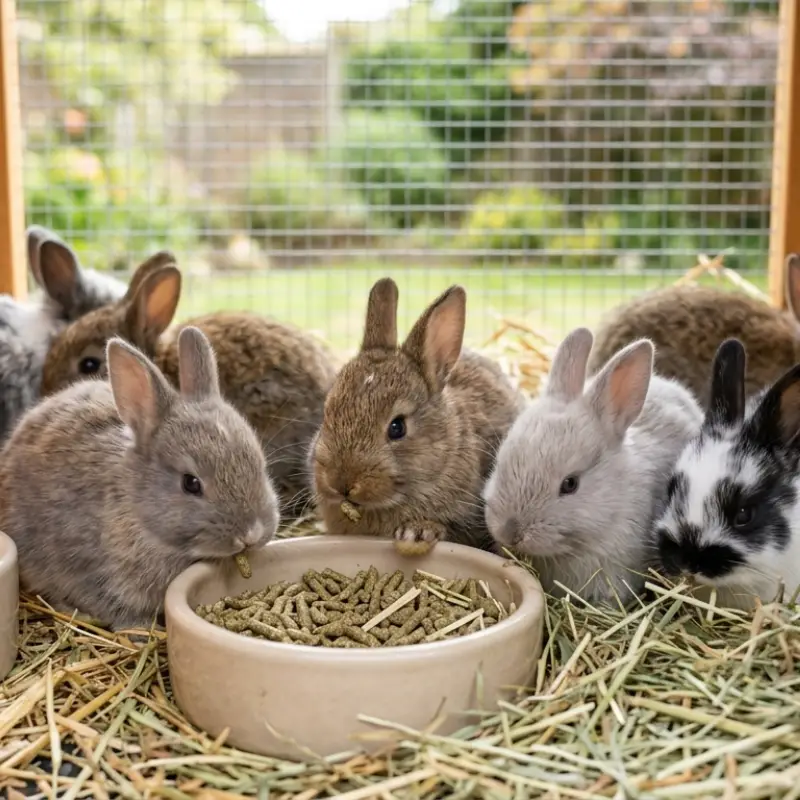
Rabbit Breeding Calculator is a simple online tool for organizing rabbit breeding dates and estimated kindling schedules.
Enter a mating date, choose the closest rabbit type, and receive estimated dates for pregnancy-check planning, nest-box preparation, kindling, kit milestones, weaning, and optional breeding cycles.
The calculator is intended for general planning and record keeping. It does not provide veterinary advice or diagnose pregnancy.
Written by: Sarim Hassan, Rabbit Breeding Calculator
Last updated: September 15, 2026
Contact: sarim@rabbitbreedingcalculator.com
The following references were consulted when preparing the general breeding, gestation, and date-planning information on this page. The calculator is intended for general planning and record keeping.
Merck Veterinary Manual: Management of Rabbits — general rabbit management, gestation, breeding, and nest-box guidance.
FAO: The Rabbit — rabbit production and reproductive information.
Tamil Nadu Agricultural University: Breeding of Rabbit — rabbit breeding and gestation information.
RSPCA: Pregnant Rabbits — general pregnancy and welfare guidance.
This calculator is provided for planning and record keeping. It does not diagnose pregnancy or replace veterinary care.
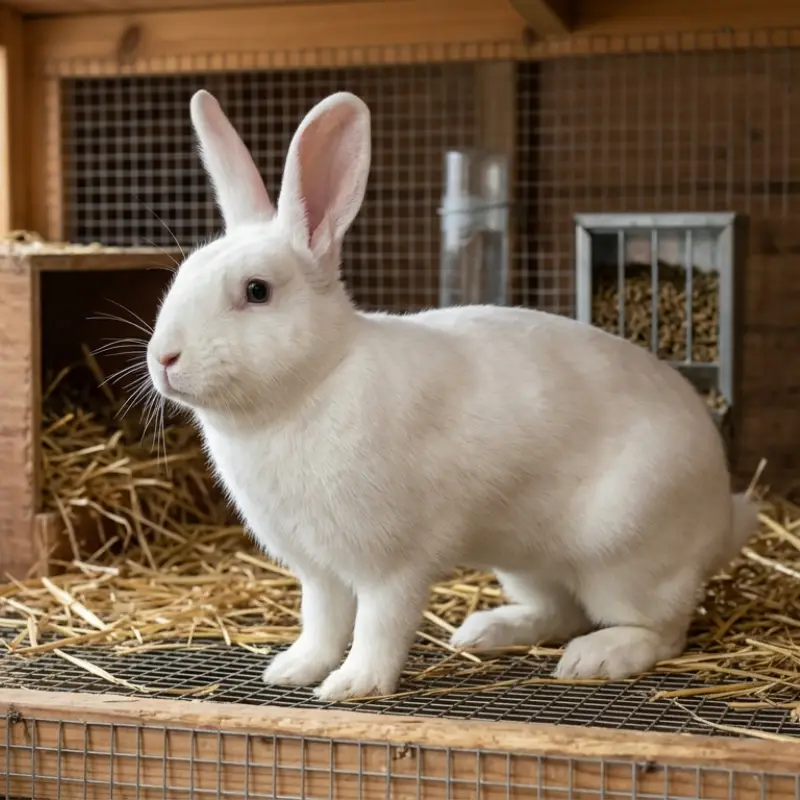
If you manage multiple rabbits or want to keep breeding records on your phone, you can also use the Rabbit Breeding Calculator app on Google Play. The app is designed to help rabbit owners and breeders organize breeding dates, expected kindling dates, pregnancy milestones, and rabbitry records.